Table of contents
-
Introduction
-
-
Footwork – the foundation of every shot
-
-
-
Variety in your game – make life hard for your opponent
-
-
-
Gear – the right equipment makes a difference
-
-
-
Playing regularly – tournaments and clinics
-
-
-
Pace: speeding up and taking the pace off
-
-
-
The bandeja and víbora – control over brute force
-
-
-
The lob – the secret weapon in padel
-
-
-
Net position – winning it and keeping it
-
-
Conclusion: this is how you improve faster
Introduction
In a short time, padel has grown into one of the most popular sports in the Netherlands and Belgium. It is easy to get started, but at the same time technically and tactically challenging. Many players wonder: how can I get better as quickly as possible?
The answer is not simply “play more”. You have to work on several aspects: footwork, variety, equipment, match experience and the smart use of pace. On top of that there are a few typical padel shots – such as the bandeja, víbora and lob – If you practise these shots a lot, you will notice that you make rapid progress.
1. Footwork – the foundation of every shot
In padel it can sometimes seem as if you only need to use the racket, but the truth is that the biggest difference is made with your feet.
-
Small steps: short, quick movements keep you balanced. Big strides often lead to poor timing.
-
Always on the move: keep bouncing lightly on the balls of your feet so you react faster.
-
Forward stance: bent knees and active arms in front of your body make you agile.
-
After the wall: learn to predict where the ball will come back and start moving in the right direction.
Good footwork gives you more time for your shot, so you play more calmly and accurately.
2. Variety in your game – make life hard for your opponent
Many recreational players keep playing the same ball. If you want to improve faster, you have to learn to vary.
-
Height: combine deep balls, lobs and short drop shots.
-
Speed: alternate hard smashes with soft balls.
-
Spin: slice and topspin make the ball harder for your opponent.
-
Walls: use the glass walls not only defensively but also to put on pressure.
Variety makes you unpredictable and forces errors.
3. Gear – the right equipment makes a difference
The right equipment speeds up your progress and prevents injuries.
-
Racket shapes:
-
Round rackets → lots of control, ideal for beginners.
-
Teardrop shape → mix of control and power, for advanced players.
-
Diamond shape → maximum power, smaller sweet spot, demands technique.
-
-
Carbon weaves: the lower the K number (3K/6K), the stiffer and more direct the racket feels. The higher (12K/18K), the more comfortable and forgiving.
-
EVA cores: a soft core gives more comfort and ball output, a hard core more control and stability on hard shots.
-
Shoes: padel shoes with a herringbone sole give more grip and stability than tennis shoes.
-
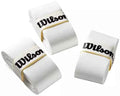
Accessories: grips and quality balls improve control and consistency.
With the right gear you play better and more safely.
4. Playing regularly – tournaments and clinics
You learn padel through repetition and by gaining experience against different opponents.
-
Tournaments: learn to deal with pressure and different playing styles. Sign up for tournaments via KNLTB or playtomic
-
Clinics: coaches see details you miss yourself, such as racket position or foot position.
-
Regularity: play short sessions more often rather than long sessions now and then; repetition speeds up automatic habits.
-
Different partners: playing with others makes you more flexible in your positioning.
The more often you play and the more match situations you experience, the faster you grow.
5. Pace: speeding up and taking the pace off
A big difference between beginners and advanced players is how they handle pace.
-
Speeding up: choose the right moment, for example on a high lob, to decide the rally.
-
Slowing down: with a lob or a soft ball you buy time to get into a better position.
-
Alternating: varying the pace makes you unpredictable and keeps your opponent under pressure.
Whoever sets the pace controls the rally.
6. The bandeja and víbora – control over brute force
Many beginners try to smash every high ball, but that often leads to errors. The real weapons are the bandeja and víbora.
-
Bandeja: a controlled overhead with slice. Keeps your opponents at the back and helps you keep the net position.
-
Víbora: a more aggressive overhead with more speed and sidespin, often played diagonally to put on pressure.
-
Why it matters: these shots give you control over the attack without unnecessary risk.
If you master the bandeja and víbora, you play smarter and win more points without unnecessary errors.
7. The lob – the secret weapon in padel
The lob is the most underrated shot in padel, but often decisive in a rally.
-
Defensive: use the lob to buy time and get back into position.
-
Attacking: a well-placed lob forces your opponents back and gives you the chance to take the net.
-
Placement: the lob does not always have to be extremely high; a deep, tight lob just over your opponent is often more effective.
Using the lob smartly makes your game more mature and more tactical.
8. Net position – winning it and keeping it
Whoever holds the net holds the power. From the net position you can dictate the game, put on pressure and finish points faster.
Why the net is so important:
-
Attacking from height: volleys and smashes are easier and more effective.
-
Less reaction time for your opponent: you force errors.
-
Control over the rally: you set the pace and keep the initiative.
How to get to the net:
-
After a good lob → move forward together with your partner.
-
Serve + volley → put on pressure straight after the serve.
-
After a good bandeja → play a controlled deep ball with slice and keep moving forward.
-
After a chiquita → play a low ball at your opponent's feet and use that moment to take over the net.
-
After a deep attack → force your opponent back and step forward yourself.
How to keep the net:
-
Use the bandeja and víbora to control high balls smartly.
-
Keep moving as a pair – always forward together or back together.
-
Choose volleys and placement over blind smashes.
Whoever takes the net and holds on to it wins the rally in most cases.
Conclusion: this is how you improve faster
If you want to get better at padel fast, it is about more than just putting in the hours. Work on your footwork, variety and choice of equipment. Play regularly and take part in tournaments to gain experience. Learn to control the pace and master the typical padel shots such as the bandeja, víbora and lob.
And above all: focus your game on winning and keeping the net position. That is what decides padel matches.
With these building blocks you will make huge progress in a short time, and padel will become not only more fun, but also more successful.